Elevate Your Interiors: Understanding Venetian Wall Plastering Demystified
Venetian plastering is a sophisticated technique that has stood the test of time. With roots in ancient Rome and Venice, it delivers both aesthetic appeal and functional value. This distinguished craft turns walls into magnificent surfaces by way of a special mixture of components. As homeowners seek to enhance their interiors, understanding the nuances of Venetian plaster becomes essential. But what exactly makes this finish so desirable, and how can one guarantee the best results?
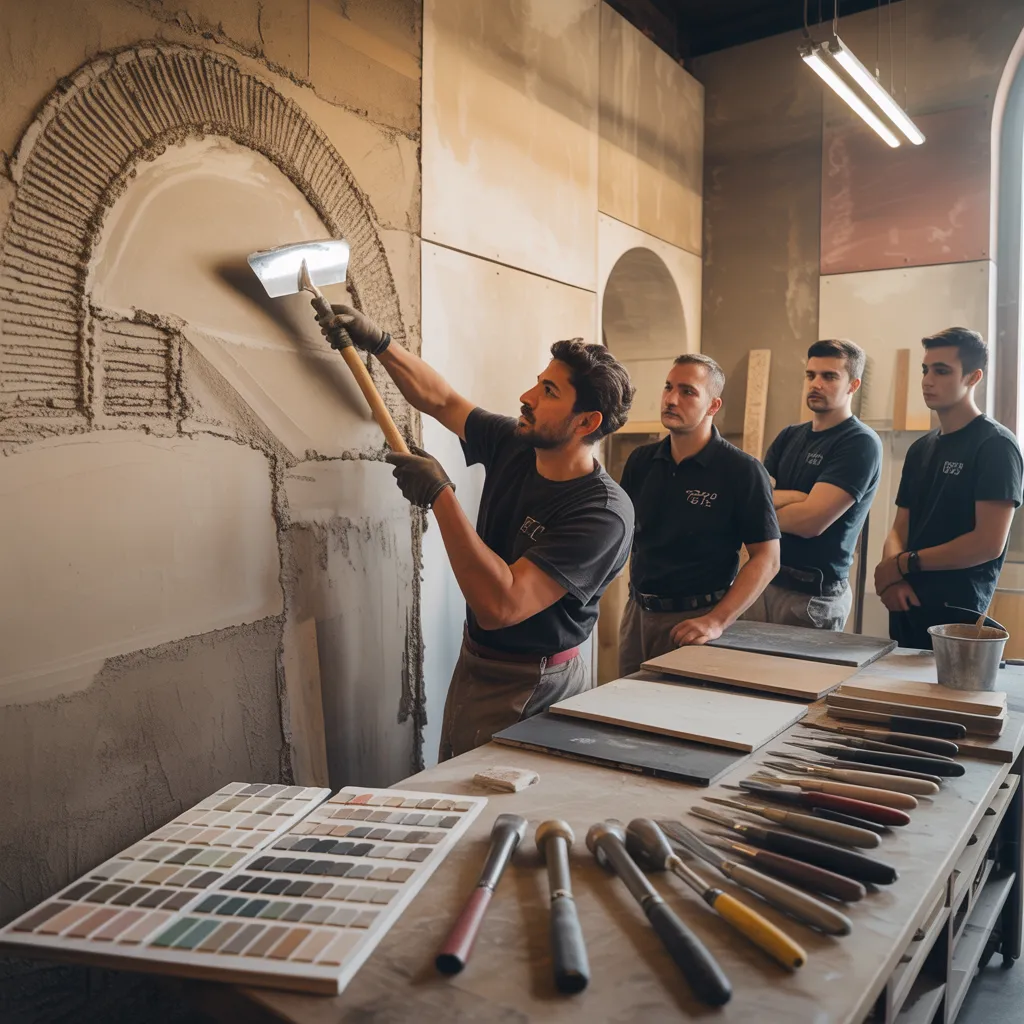
Examining Venetian Plasterwork: History and Significance
Venetian plaster, a celebrated decorative method, carries a distinguished history dating back to ancient Rome and Venice. Originally employed to produce a durable and water-resistant surface, this technique developed into a true art form, characterized by its smooth, polished surface and luminous quality. Skilled artisans used a combination of lime, marble dust, and pigments, enabling a wide variety of textures and colors.
Throughout the Renaissance period, Venetian plaster rose to prominence as a symbol of luxury and sophistication, commonly embellishing the grand palaces and sacred churches of the elite. Its value reached well past surface-level beauty; it represented a mastery of craftsmanship and a deep reverence for beauty in architecture.
Currently, this method remains an inspiration to both designers and homeowners, uniting age-old craftsmanship with present-day uses. Recognizing its historical context enriches appreciation for Venetian plaster as more than just a decorative choice, but rather a reflection of the timeless legacy of aesthetic expression in the world of interior design.
Why Choose Venetian Plaster for Your Home?
Choosing Venetian plaster for residential spaces offers a unique aesthetic appeal that improves the beauty of any interior. Its endurance and long-lasting nature confirm that the purchase stands up over the years, while serving as an environmentally conscious choice aligns with sustainable living practices. Residents seeking a blend of elegance and practicality will likely discover Venetian plaster to be a perfect solution.
Unmatched Visual Appeal
When seeking a remarkable appearance for indoor areas, residents often find that Venetian plaster provides a distinctive aesthetic appeal unmatched by any other wall treatment. This time-honored technique, distinguished by its smooth, glossy finish, evokes a sense of luxury and distinction. The gentle differences in color and texture create a dynamic visual experience, drawing the eye and enhancing the ambiance of any room. Venetian plaster can be applied in a range of styles, from timeless to cutting-edge, allowing for personalization that reflects personal taste. Its capacity to mimic natural stone or generate a warm, glowing effect adds character and coziness to indoor environments. As a result, Venetian plaster transforms ordinary walls into impressive highlights, enhancing the complete aesthetic of a home.
Durability and Longevity
Although numerous wall treatments tend to deteriorate over time, Venetian plaster stands out for its remarkable durability and longevity. This exquisite finish is crafted from natural materials, delivering a robust surface that can endure for generations. As opposed to standard paint, which may flake or deteriorate, Venetian plaster establishes a firm connection with the wall, ensuring it maintains its integrity for decades. Its special makeup allows it to repel humidity and mold growth, making it exceptionally well-suited to areas prone to humidity. Additionally, the finish can be effortlessly renewed, requiring little upkeep to keep it looking fresh. Homeowners appreciate that this classic surface treatment not only improves the overall look but also provides a functional, durable option for indoor environments.
Eco-Friendly Material Choice
Venetian plaster is not only celebrated for its durability but also for its eco-friendly characteristics. Crafted primarily from natural components such as lime, marble dust, and pigments, it presents minimal environmental consequences compared to synthetic options. This organic composition promotes breathability, which assists in regulating indoor humidity and enhancing air quality. Furthermore, Venetian plaster contains no harmful volatile organic compounds (VOCs), making it a healthier option for households, especially for those with allergies or sensitivities. Its durability additionally supports sustainability, as it minimizes the necessity for frequent replacements or repairs. By selecting Venetian plaster, homeowners not only elevate aesthetics but also adopt a responsible, eco-conscious material that corresponds with contemporary sustainable living practices.
Essential Materials for Venetian Plastering
The craft of Venetian plastering is built upon a specific collection of materials that contribute to its unique texture and durability. At its core, the mixture typically incorporates slaked lime, which is essential for its suppleness and ventilation. This lime reacts to carbon dioxide in the air, enabling the plaster to gradually set and solidify. Furthermore, marble dust is often incorporated, providing a fine finish that enhances the aesthetic appeal. The use of natural pigments can further elevate the design, enabling a spectrum of colors that complement various interiors.
In addition, premium tools, such as trowels and spatulas, are essential in producing the desired finish. The use of these instruments and supplies ultimately influences the plaster's handling characteristics and finished look, making them essential to the Venetian plastering process. Collectively, these materials create a enduring effect that combines elegance with purpose in contemporary interior spaces.
A Step-by-Step Guide to Applying Venetian Plaster
During the application of Venetian plaster, possessing the proper tools is crucial for a flawless result. This guide details the critical tools and techniques required for project success. Understanding each step will guarantee a professional-quality result.
Required Essential Tools
When it comes to applying Venetian plaster correctly, possessing the proper tools is crucial. A trowel, specifically a stainless steel one, is vital for achieving smooth, even layers. A float, often made of wood or plastic, helps to refine the surface texture and enhance the finish. Furthermore, a hawk makes it easy to access plaster while working on the wall. A sponge is ideal for delicate blending and final touches, producing a refined finish. A level is necessary to maintain consistent, even surfaces throughout the entire process. Finally, high-quality Venetian plaster and appropriate primer are necessary for peak adhesion and durability. Combined, these tools establish the groundwork for a flawless Venetian plaster application, guaranteeing an impressive outcome.
Application Techniques Explained
Achieving a pristine Venetian plaster finish necessitates a methodical approach to implementation. To begin, the surface should be adequately prepped, ensuring it is smooth, clean, and dry. Next, a base coat is laid down using a trowel, forming a uniform foundation. When fully dried, the artisan combines the Venetian plaster, attaining the desired color and texture. The application commences with a thin layer, distributing the plaster in a circular direction to avoid lines. When this foundational layer is dry, subsequent coats are added, each time using reduced pressure to create depth. Finally, a burnishing technique is utilized to refine the surface, enhancing the luster. Adequate curing is critical, allowing the finish to set perfectly and guaranteeing longevity and beauty in the interior space.
How to Properly Care for Your Venetian Plaster
Looking after Venetian plaster requires a thoughtful approach to copyright its appearance and quality. Consistent care requires carefully wiping with a gentle damp cloth to clear away dirt and dust without harming the finish. Homeowners should avoid aggressive cleaners and abrasive substances, as such products can damage or dull the appearance.
Moreover, it is essential to track the humidity in the surrounding area; high moisture levels can contribute to mold growth or deterioration. Using a sealant or protective wax periodically can enhance durability and maintain the luster of the plasterwork.
Should stains appear, they should be treated promptly with a delicate soap blend, before rinsing completely. For more significant issues, consulting a professional is advisable to avoid further damage. By following these maintenance recommendations, Venetian plaster is able to stay a magnificent and durable highlight across a wide range of interior designs.
Key Pitfalls to Avoid When Selecting Venetian Plastering Specialists
What factors should homeowners keep in mind when selecting Venetian plastering experts? A frequent error is failing to verify credentials and experience. Experts should possess appropriate certifications and a demonstrated history in Venetian plastering methods. Moreover, homeowners commonly disregard the value of looking through portfolios. A careful review of previous projects can offer a glimpse into a professional's technique and expertise.
One other common error is failing to obtain multiple quotes. Reviewing multiple quotes works to confirm competitive pricing and uncovers differences in service quality. Homeowners would do well to avoid hastily moving through the hiring process; summary taking time to ask questions about materials and methods can reduce the likelihood of complications later on.
Lastly, it's crucial to verify the warranty details and timeline before beginning the job. By preventing these errors, property owners can guarantee a smooth and satisfying Venetian plastering project, enhancing their interiors effectively.
Answers to Your Most Common Questions
Can Venetian Plaster Be Applied Over Existing Paint or Wallpaper?
Absolutely, Venetian plaster is able to be applied over existing paint or wallpaper, but proper preparation is essential. The surface must be cleaned, and any unstable materials removed to secure proper bonding and a flawless finish.
What Is the Complete Drying Time for Venetian Plaster?
Venetian plaster typically takes between 24 and 48 hours to fully dry, depending on conditions like humidity and temperature. Adequate ventilation can help speed up the drying process, ensuring ideal results for the finish.
Can Venetian Plaster Be Used in Damp Areas Such as Bathrooms?
Venetian plaster is usually not suggested for moisture-prone areas such as bathrooms due to moisture absorption, which can lead to mold and deterioration. Nevertheless, when appropriately sealed and ventilated, it may be used effectively in such spaces.
Is It Possible to Paint Over Venetian Plaster if I Have a Change of Heart?
Venetian plaster is indeed capable of being painted over when necessary. However, it's essential to guarantee proper surface preparation and use compatible paints to maintain the finish's integrity and appearance, enabling a seamless and effective transformation.
What Color Options and Finishes Can You Choose for Venetian Plaster?
Venetian plaster features a wide range of colors and finishes, including soft pastels, bold hues, and metallic options. The finish may be polished to achieve a lustrous appearance or left matte for a more organic aesthetic.